
KLAUDIA TANDL
Artist. Educator. Feminist. Mother.
A physical expression of the deepest, most meaningful feelings. Klaudia Tandl is an Austrian mezzo-soprano whose artistry is marked by depth, clarity, and a deep love for art song. Celebrated for her expressive Lied interpretations, she connects poetic sensitivity with musical intelligence, captivating audiences across Europe, Japan, and the United States. Her close collaborations with pianists and contemporary ensembles reflect her openness and curiosity, moving fluently between classical repertoire and new music. Through concerts and acclaimed recordings, Klaudia Tandl gives voice to nuanced stories, shaping musical spaces defined by presence, trust, and emotional resonance.
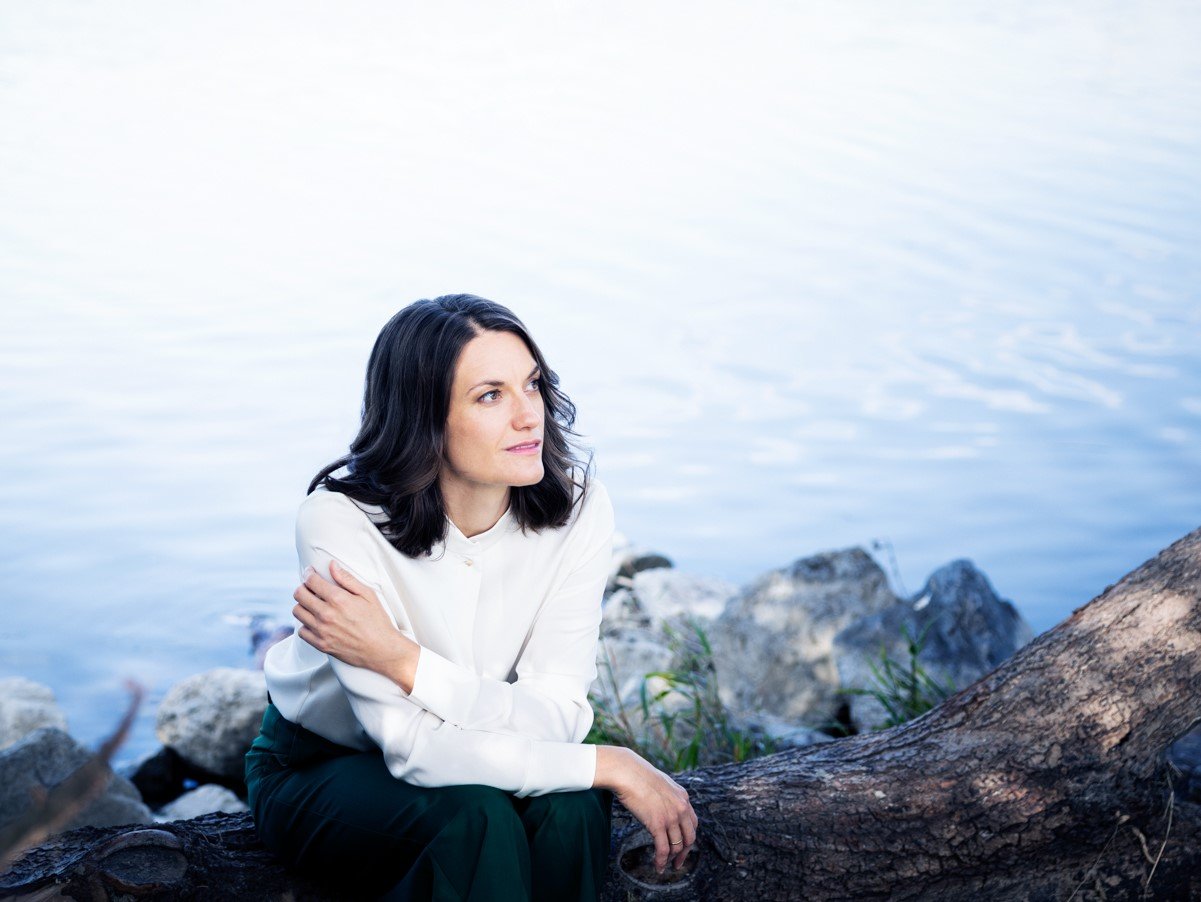
Klaudia Tandl © Julia Wesely
“I often ask myself why I became a classical singer. My background doesn’t exactly point in that direction: my childhood was shaped by long hours in the forest and in nature — far removed from intellectual engagement with world literature or the fine arts....”
“My approach to song interpretation springs from a deep intrinsic motivation. Every composer speaks, for me, in their own language — or more precisely, their own emotional world.”
Klaudia Tandl In Her Own Words.
I often ask myself why I became a classical singer. My background doesn't exactly point in that direction: my childhood was shaped by long hours in the forest and in nature — far removed from intellectual engagement with world literature or the fine arts. As a child I was sensitive, rather shy, and for a long time unaware of my own talents. Certain people, however, recognised and nurtured this potential — in particular my primary school teacher Cornelia Egger and my first singing teacher Franz Jochum. I remain grateful to them to this day, because they showed me how decisive it is for children and young people to encounter individuals who can see and strengthen what they are capable of.
My original intention was to become a singing teacher. During my IGP studies, however, doors began to open toward concert singing — above all through the repertoire of Gustav Mahler, Hugo Wolf, and Franz Schubert, as well as contemporary music. It soon became clear to me that my artistic home was not in opera, but in song and chamber music.
It took years before the stage became a place where I truly felt at ease. I didn't want to play a role — I wanted to find an authentic form of expression. A defining moment came during a class recital of songs by Gustav Mahler: despite severe stage fright, the instant the piano introduction began felt like a protected space. The honesty of the music carried me. It was a formative, transformative moment.
Over time I also discovered a wealth of remarkable but little-known or entirely forgotten women composers. Both of my master's theses are dedicated to the music of Rebecca Clarke and Betsy Jolas. The search for women composers and their repertoire has accompanied me ever since.
As an artist and teacher, I see my role as passing on what I have learned — not only to future professional musicians, but to everyone who wishes to grow through music. In this, I also see an opportunity to break open the social exclusivity of classical music.
My approach to song interpretation springs from a deep intrinsic motivation. Every composer speaks, for me, in their own language — or more precisely, their own emotional world. Understanding that world is the greatest challenge of interpretation. It is less about the literal language of the text, about pronunciation or word flow, and more about grasping the emotional universe of the music.
This process often feels to me like long, attentive listening — like getting to know a friend more deeply over many hours.
Equally important is decoding each composer's individual style. A large part of the repertoire I perform was written before the aesthetic watershed of musical modernism. It is precisely for this reason that the honesty and immediacy of this music moves me, again and again. My son, then three years old, once said of a Schubert song: "Mama, this music is very sad." That is exactly the point: the emotional content must be clear and must find its place within me before I can pass it on.
In this I also think often of the composers' own creative process — the concentrated work, the long struggle with form, the doubting, revising, and hoping. To honour that devotion and to meet the music with sincerity, far from ego or the mere desire to perform — that is what fascinates me about interpretation.
#Performer #Artist #Panel #Debate #Podium

Klaudia Tandl © Julia Wesely
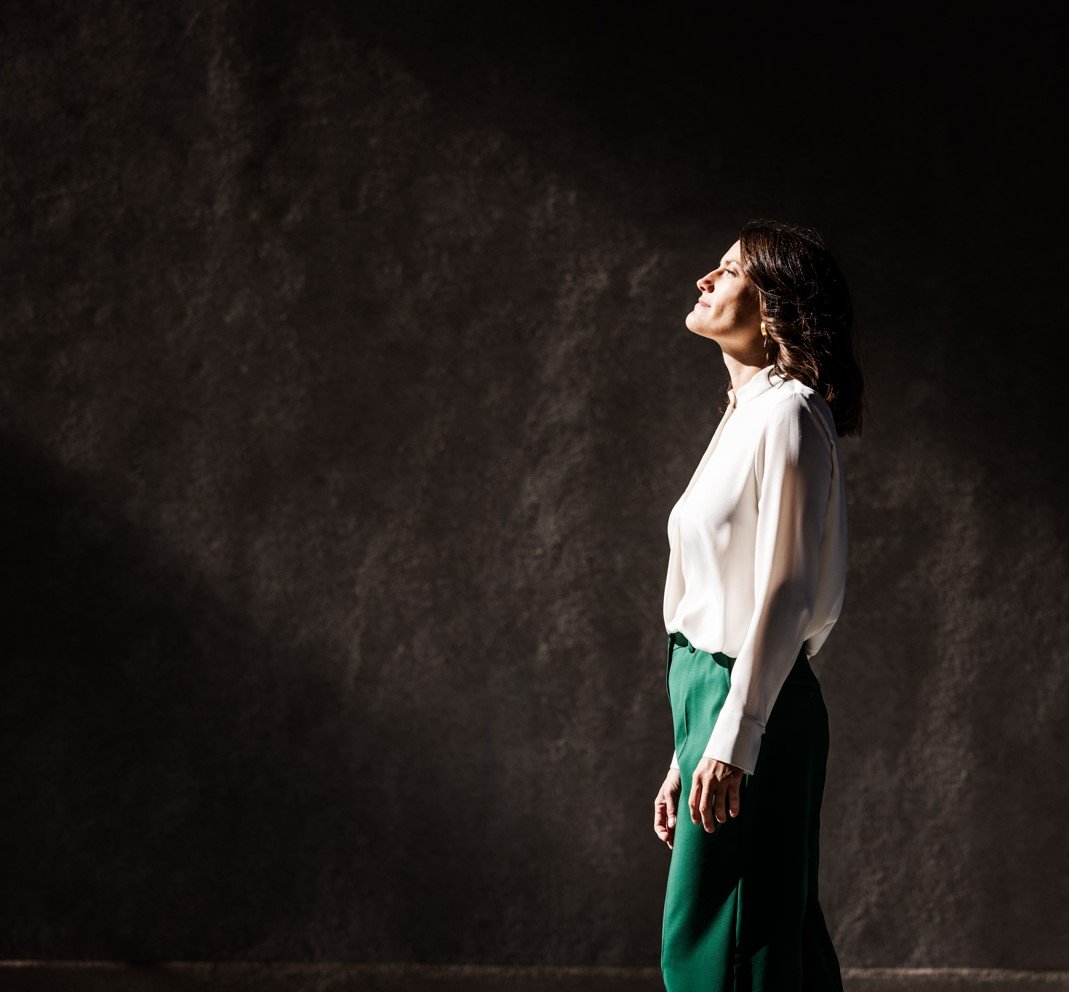
Klaudia Tandl © Julia Wesely